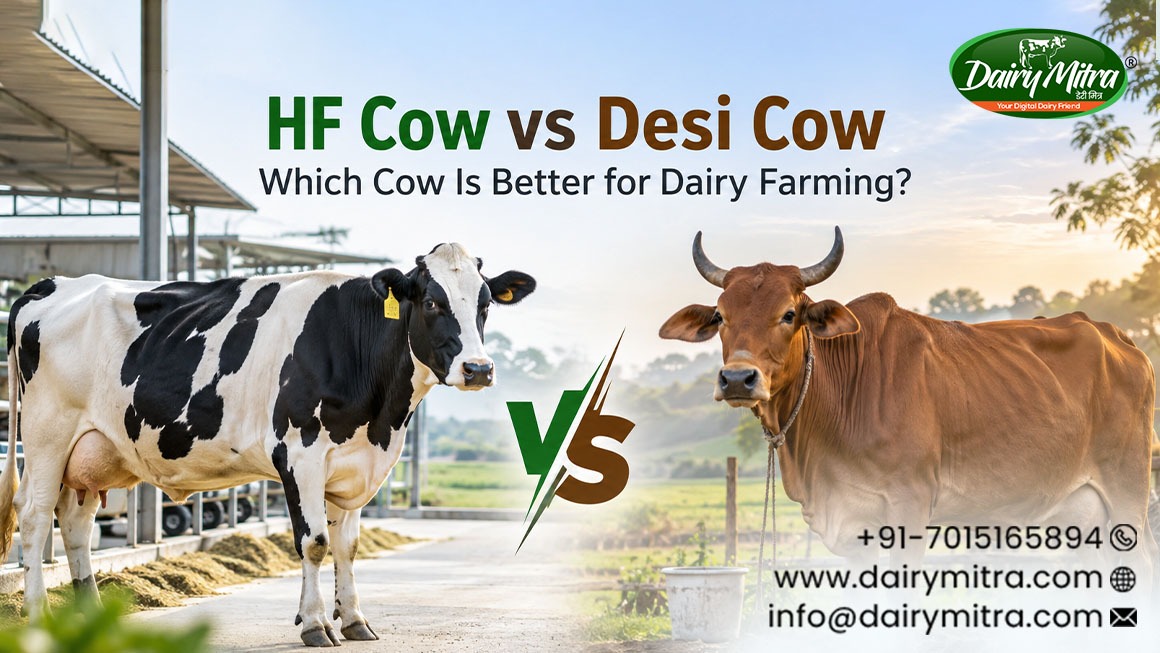
For anyone entering the commercial dairy business, the most critical choice is the type of cattle used. Whether you are a company looking to upgrade its current setup or a new business ready to take the plunge, a good HF Cow Supplier is essential to your business operations and profitability. In the market, there are many different types of dairy products available, so the question of dairy businesses is always which way to go, exotic high yielding breeds or native indigenous livestock?
This blog will explore the key distinctions, milk production capabilities, management needs, and economic viability of these two types to help you make an informed decision.
Understanding what a supplier of HF Cow offers and the importance of sourcing is vital before making the direct comparison between exotic and indigenous cattle. Holstein-Friesian breed cattle are known worldwide for their outstanding production of milk and are the foundation of intensive commercial dairy farming. Buying these animals is specialized process that involves working with individuals who know the history of the animals, their health records, milk production and acclimatization issues.
1. Milk Yield and Commercial Viability
Milk production is the main reason for selecting exotic breeds over indigenous breeds.
• HF Cattle Production: Known as world record holders for a milk production, HF cows can yield anywhere from 20 to 40 liters of milk per day under optimal feeding and management conditions.
• Desi Cow Production: Milk from the indigenous or native breeds is high in A2 protein, which has high consumer demand, but has a lower milk production of 5 to 12 liters per day.
2. Climate Adaptability and Health Management
Another important factor which determines the day to day operations expenses is environmental resilience.
• Heat Tolerance: Desi cows have excellent natural immunity and sweat gland function, which enables them to manage extreme temperature in the tropics and tropical diseases without any trouble.
• Veterinary Care: Exotics tend to require more rigorous vaccination programs, high protein diets of balanced feeds and quick response medical treatment than their tougher native counterparts.
3. Feeding Costs and Resource Investment
Feeding accounts for nearly 60-70% of running expenses in a dairy farm.
• High Intake: HF cows require much more green feed, dry roughage and concentrated feed due to their great body size and high metabolic rate.
• Efficient Grazing: Desi cattle are efficient converters of coarse roughage and can flourish on the lower cost or limited feed resources.
The choice of an HF cow or a Desi cow is a matter of business objectives, investment plans and climatic conditions of the area. In the commercial milk business where high volume is the main goal, and the production facility has the facilities to manage climate control and intensive feeding, it is a good time to invest in exotic stock sourced from a trusted HF Cow Supplier. Alternatively, niche markets for A2 organic milk, reducing veterinary costs and extreme weather resistance makes indigenous cattle the perfect choice.
Achieving success in the dairy industry involves managing milk production while also addressing some of the factors that can hinder operations, such as climate conditions and consumer preferences. Whatever direction you take, a reliable HF Cow Supplier will give you the assurance of obtaining healthy animals that will yield maximum profit for your business. Whether it is finding a trusted cattle provider, accessing clear pricing, or leveraging seamless sourcing, Dairy Mitra is your ultimate marketplace partner to ensure your success.
What is the average daily milk yield of a healthy Holstein-Friesian cow?
Adult cows of HF will produce 20-40 liters of milk each day.
Are HF cows suitable for hot and humid tropical weather conditions?
They suffer heat stress and they need cooling sheds, fans and ventilation.
Why is Desi cow milk often considered healthier than HF milk?
Desi Cow milk has the A2 beta-casein protein that is easier to digest.
How long is the standard lactation period for an HF dairy cow?
The standard lactation period usually lasts around 305 days per calving cycle.
.png)

.png)
Don't be shy, say hi!